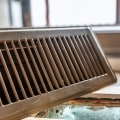
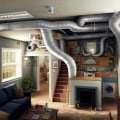
Duct design is a fundamental aspect of HVAC (Heating, Ventilation, and Air Conditioning) systems that often goes overlooked. It serves as the backbone of air distribution within a building, ensuring that conditioned air reaches every corner efficiently and effectively. A well-designed duct system not only enhances comfort but also plays a crucial role in maintaining indoor air quality. Poor duct design can lead to uneven temperatures, increased energy consumption, and even health issues due to inadequate ventilation.Understanding the basics of duct design is essential for anyone involved in the construction or renovation of a building.
The primary function of ducts is to transport air from the HVAC unit to various rooms and spaces. This process involves careful consideration of factors such as duct size, shape, material, and layout. Each element contributes to the overall performance of the system, affecting airflow rates and pressure levels. For instance, using the right duct size can minimize friction loss, which is the resistance encountered by air as it moves through the ducts.Moreover, duct design impacts energy efficiency significantly.
An optimized system reduces the workload on HVAC units, leading to lower energy bills and a reduced carbon footprint. Additionally, proper duct design can help prevent common issues such as air leaks and blockages that compromise system performance. As we delve deeper into this guide, we will explore expert tips and tricks for effective duct design, ensuring that your HVAC system operates at its best while providing a comfortable indoor environment.
The Importance of Duct Cleaning Services
Maintaining a healthy indoor environment is essential for the well-being of your family and the efficiency of your HVAC system. One of the most effective ways to achieve this is through regular duct cleaning services.These services play a crucial role in ensuring that the air circulating in your home is clean and free from contaminants.
Benefits of Duct Cleaning
- Improved Air Quality: Over time, dust, allergens, and other pollutants accumulate in your ductwork. When your HVAC system operates, these particles can be blown into your living spaces, affecting the air quality. Regular duct cleaning helps remove these contaminants, leading to cleaner air.
- Enhanced Energy Efficiency: A buildup of debris in your ducts can restrict airflow, forcing your HVAC system to work harder to maintain the desired temperature. This increased workload can lead to higher energy bills.
By investing in duct cleaning services, you can improve airflow and enhance the energy efficiency of your system.
- Prolonged HVAC Lifespan: Regular maintenance, including duct cleaning, can extend the lifespan of your heating and cooling systems. By reducing strain on the system caused by dirty ducts, you can avoid costly repairs and replacements.
- Reduction of Allergens and Irritants: For individuals with allergies or respiratory issues, clean ducts are particularly important. Duct cleaning removes allergens such as pollen, pet dander, and mold spores, creating a healthier environment for sensitive individuals.
Why Duct Cleaning is Necessary
Duct cleaning is not just a luxury; it is a necessity for several reasons:
- Health Concerns: Poor indoor air quality can lead to various health issues, including respiratory problems and allergies. Regular duct cleaning minimizes these risks by ensuring that the air you breathe is free from harmful particles.
- Preventing Mold Growth: Moisture can accumulate in ducts, creating an ideal environment for mold growth.
Professional duct cleaning services help eliminate moisture and prevent mold from taking hold in your home.
- Compliance with Warranty Requirements: Many HVAC manufacturers require regular maintenance, including duct cleaning, to keep warranties valid. Neglecting this aspect could void your warranty and lead to unexpected expenses.
Key Principles of Duct Design
Understanding the key principles of duct design is essential for creating an efficient and effective HVAC system. These principles not only ensure optimal airflow but also contribute to the overall comfort and energy efficiency of a building.Airflow Balance
One of the most critical aspects of duct design is achieving airflow balance.This means that the amount of air supplied to each room should equal the amount of air being returned to the system. An imbalanced airflow can lead to discomfort, increased energy costs, and even damage to the HVAC system.
- Supply and Return Ducts: Ensure that supply ducts are appropriately sized and located to deliver conditioned air effectively. Similarly, return ducts must be adequately sized to facilitate the return of air back to the system.
- Location Matters: The placement of vents and returns can significantly impact airflow. For instance, placing supply vents near windows can help counteract drafts, while returns should be positioned in areas where air tends to stagnate.
Duct Sizing Guidelines
Proper duct sizing is crucial for maintaining airflow efficiency.Oversized ducts can lead to reduced air velocity, while undersized ducts can cause increased resistance and noise. Here are some guidelines to consider:
- Use Manual D: Refer to the ACCA Manual D for standardized duct sizing recommendations based on airflow requirements. Refer to the ACCA Manual D for standardized duct sizing recommendations based on airflow requirements.
- Consider Friction Loss: Calculate friction loss in ducts due to bends, fittings, and length. Minimizing these losses will enhance system performance.
- Material Selection: Choose appropriate materials for ducts. Metal ducts typically offer better airflow than flexible options, which can constrict airflow due to their design.
Remember that a well-designed duct system not only enhances comfort but also reduces energy consumption, leading to lower utility bills and a more sustainable environment.
Common Duct Design Mistakes to Avoid
When it comes to duct design, avoiding common mistakes is crucial for ensuring optimal performance and efficiency. Many homeowners and contractors alike can overlook critical aspects of ductwork, leading to issues that can affect air quality, energy consumption, and overall comfort. Here are some frequent errors in duct systems and tips on how to avoid them:- Improper Sizing of Ducts: One of the most prevalent mistakes is using ducts that are either too large or too small for the intended airflow. Oversized ducts can lead to low air velocity, resulting in insufficient air distribution, while undersized ducts can cause high pressure and noise.
To avoid this, always refer to the ACCA Manual D for proper sizing based on your system's airflow requirements.
- Poor Layout Planning: A common error is not planning the duct layout effectively. Long runs, sharp bends, and unnecessary turns can increase friction loss and reduce airflow efficiency. To mitigate this, design a layout that minimizes bends and keeps duct runs as short as possible.
- Neglecting Insulation: Failing to insulate ducts properly can lead to significant energy loss, especially in unconditioned spaces like attics or crawl spaces. Ensure that all exposed ducts are insulated to maintain temperature and improve energy efficiency.
- Ignoring Airflow Balance: An unbalanced system can lead to hot or cold spots in your home.
It’s essential to ensure that the airflow is evenly distributed across all rooms. Use dampers or adjust duct sizes as necessary to achieve a balanced system.
- Inadequate Sealing: Leaky ducts can waste a significant amount of conditioned air, leading to higher energy bills and reduced comfort. Always seal joints and connections with mastic or metal tape to prevent air leaks.
Choosing the Right Duct Materials
When it comes to duct design, the choice of materials is crucial for ensuring efficiency, durability, and overall performance.Different materials offer unique advantages and disadvantages, making it essential to understand their properties before making a decision. Below, we explore some of the most common duct materials used in construction.
1.Sheet Metal Ducts
Sheet metal ducts are among the most popular choices for duct systems due to their strength and longevity. Typically made from galvanized steel or aluminum, these ducts are:- Durable: Resistant to damage and can last for decades with proper maintenance.
- Efficient: Provide excellent airflow with minimal resistance, which can enhance the overall efficiency of your HVAC system.
- Fire-resistant: Non-combustible, making them a safer option in case of fire.
2.Flexible Ducts
Flexible ducts are made from a combination of plastic and metal wire, allowing them to bend and fit into tight spaces easily. Their advantages include:- Versatility: Ideal for complex layouts where rigid ducts may not fit.
- Cost-effective: Generally less expensive than sheet metal ducts, making them a budget-friendly option.
- Lightweight: Easier to handle and install compared to heavier materials.
3.Fiberglass Ducts
Fiberglass ducts are insulated and often used in commercial applications.They offer several benefits:
- Insulation: Built-in insulation helps maintain temperature control and reduces energy costs.
- No condensation: The material is resistant to moisture buildup, which can prevent mold growth.
4.PVC Ducts
PVC (polyvinyl chloride) ducts are becoming increasingly popular for certain applications due to their lightweight nature and resistance to corrosion. Key advantages include:- Chemical resistance: Ideal for environments where corrosive substances may be present.
- Simplicity of installation: Lightweight and easy to cut, making them user-friendly for DIY projects.
Duct System Layout and Configuration
Designing an effective duct system layout is essential for ensuring optimal airflow and energy efficiency in any heating, ventilation, and air conditioning (HVAC) system. A well-planned duct configuration not only enhances comfort but also minimizes energy costs and improves indoor air quality.Here are some key considerations for creating an efficient duct system layout.
Understanding Duct Layout Design
The first step in duct layout design is to assess the specific needs of the space. This involves evaluating the size of the area, the number of rooms, and their intended use. For instance, high-traffic areas may require more airflow compared to less frequently used spaces. Additionally, understanding the duct cleaning services near me can help identify potential issues that may arise from poor duct design.Effective Duct Configurations
When configuring ducts, consider the following:- Minimize Turns and Bends: Each turn in a duct increases resistance to airflow.
Aim for straight runs whenever possible, as this reduces friction loss and enhances efficiency.
- Use Proper Duct Sizes: Selecting the right size for your ducts is crucial. Oversized ducts can lead to low air velocity, while undersized ducts can cause high pressure drops. Refer to industry standards such as ACCA Manual D for guidance on sizing.
- Strategic Placement of Vents: Positioning supply and return vents correctly ensures balanced airflow throughout the space. Avoid placing vents behind furniture or in corners where airflow can be obstructed.
Optimizing Duct Systems
To further optimize your duct system:- Incorporate Dampers: Installing dampers allows for better control of airflow to different areas of your home.
This can be particularly useful in multi-story buildings where temperature differences between floors are common.
- Regular Maintenance: Schedule regular inspections and cleanings with local duct cleaning services near me. This helps maintain airflow efficiency and prevents dust buildup that can hinder performance.
- Consider Insulation: Insulating ducts, especially those running through unconditioned spaces like attics or crawl spaces, helps maintain temperature and reduces energy loss.
Real-Life Applications of Duct Design Principles
Understanding the principles of duct design is essential, but seeing these principles in action through real-life applications can provide invaluable insights. Below are several case studies that highlight successful implementations of duct design strategies, showcasing how effective duct systems can enhance air quality and energy efficiency.Case Study 1: Residential Duct Optimization
In a recent project involving a suburban home, the existing duct system was underperforming, leading to uneven heating and cooling throughout the house. The homeowners reported that certain rooms were consistently too hot or too cold, indicating a significant imbalance in air distribution.To address this issue, a thorough analysis of the duct layout was conducted.The team discovered that the main supply duct was too small for the volume of air required by the system. By replacing it with a larger, properly sized duct and adding additional supply vents in the underperforming rooms, air flow was significantly improved. The result was a more comfortable living environment and a noticeable reduction in energy costs.
Case Study 2: Commercial Building Airflow Management
A commercial office building faced challenges with air quality and temperature control due to its outdated duct system. Employees frequently complained about stuffy air and fluctuating temperatures, which affected productivity.The solution involved redesigning the duct system to enhance airflow balance.By implementing a variable air volume (VAV) system, the design allowed for precise control of airflow to different areas based on occupancy and usage patterns. Additionally, regular duct cleaning services were scheduled to maintain optimal airflow and prevent dust buildup. This proactive approach not only improved indoor air quality but also led to significant energy savings.
Case Study 3: Industrial Duct System Efficiency
In an industrial facility, the existing ductwork was causing excessive pressure drops due to sharp bends and poorly designed transitions. This inefficiency resulted in higher operational costs and increased wear on equipment.The engineering team redesigned the duct layout using smoother transitions and larger diameter ducts where necessary.They also incorporated dampers to regulate airflow effectively across different sections of the facility. Post-implementation measurements showed a marked decrease in energy consumption and improved performance of heating and cooling systems.These case studies illustrate that effective duct design is not just about installation; it involves ongoing assessment and optimization to meet specific needs. Whether in residential or commercial settings, applying sound duct design principles can lead to enhanced comfort, improved air quality, and significant energy savings.
Maintaining Your Duct System for Longevity
Maintaining your duct system is essential for ensuring its longevity and efficiency. A well-maintained duct system not only improves air quality but also enhances the overall performance of your heating and cooling systems.Here are some practical tips to help you keep your ducts in top shape:
- Regular Inspections: Schedule regular inspections of your ductwork at least once a year. Look for signs of wear, damage, or blockages. Early detection can prevent costly repairs down the line.
- Clean Your Ducts: Consider hiring duct cleaning services near me every few years to remove dust, debris, and allergens that accumulate over time. This not only improves air quality but also enhances airflow efficiency.
- Seal Leaks: Inspect your ducts for any leaks or gaps.
Sealing these leaks with mastic sealant or metal tape can significantly improve the efficiency of your system by preventing conditioned air from escaping.
- Change Filters Regularly: Replace or clean air filters every 1-3 months, depending on usage. Clogged filters restrict airflow and force your system to work harder, leading to increased energy costs and potential damage.
- Maintain Humidity Levels: High humidity can lead to mold growth within ducts. Use dehumidifiers in humid areas of your home to maintain optimal humidity levels and prevent moisture-related issues.
- Keep Vents Clear: Ensure that vents and registers are not obstructed by furniture, curtains, or other items. This allows for proper airflow throughout your home.
- Consider Insulation: Properly insulating your ducts can help maintain temperature and reduce energy loss.
Insulation is especially important for ducts located in unconditioned spaces like attics or crawl spaces.
FAQs About Duct Design and Cleaning Services
When it comes to duct design and cleaning services, many homeowners and building managers have questions. Here are some of the most frequently asked questions along with expert answers to help you better understand these essential aspects of HVAC systems.What is the purpose of duct design?
Duct design is crucial for ensuring that conditioned air is effectively distributed throughout a building. A well-designed duct system helps maintain consistent temperatures, improves energy efficiency, and enhances indoor air quality.Proper duct design minimizes air leaks and reduces resistance, allowing for optimal airflow.
How often should I have my ducts cleaned?
It is generally recommended to have your ducts cleaned every 3 to 5 years. However, if you notice signs such as excessive dust accumulation, mold growth, or a musty odor, it may be time to schedule a cleaning sooner. Additionally, homes with pets or residents with allergies may benefit from more frequent cleanings.What are the signs that my ducts need cleaning?
- Increased dust: If you find yourself dusting more frequently than usual, it could indicate that your ducts are dirty.
- Mold growth: Visible mold inside or outside your ducts is a clear sign that cleaning is necessary.
- Unpleasant odors: Foul smells coming from your vents can suggest the presence of debris or mold.
- Uneven airflow: If some rooms are warmer or cooler than others, it may be due to blockages in the ductwork.
Can I clean my ducts myself?
While some basic maintenance can be done by homeowners, such as changing filters and vacuuming vent covers, professional duct cleaning services are recommended for a thorough job. Professionals have specialized equipment and expertise to effectively remove dust, allergens, and contaminants from your duct system.What should I look for in a duct cleaning service?
When searching for duct cleaning services near me, consider the following:- Certification: Ensure the company is certified by organizations like the National Air Duct Cleaners Association (NADCA).
- Experience: Look for companies with a proven track record and positive customer reviews.
- Comprehensive services: Choose a service that offers a full range of cleaning options, including sanitization and inspection.
- Transparent pricing: A reputable company should provide clear estimates without hidden fees.
Conclusion: Key Takeaways for Effective Duct Design and Maintenance
In conclusion, effective duct design and maintenance are critical components in ensuring optimal HVAC performance.Throughout this guide, we have explored various aspects of duct design, emphasizing the importance of a well-planned system that meets the specific needs of your space. Here are the key takeaways to consider:
- Understanding Airflow: Proper airflow is essential for maintaining a comfortable indoor environment. Balancing supply and return ducts ensures that air circulates efficiently, preventing hot or cold spots in your home.
- Size Matters: The size of your ducts significantly impacts airflow and system efficiency. Utilizing resources like the ACCA Manual D can help you determine the appropriate duct sizes based on your air conditioning unit's capacity and the layout of your space.
- Material Selection: Choosing the right materials for your ducts can enhance performance.
Metal ducts typically offer lower friction loss compared to flexible options, which can improve overall efficiency.
- Regular Maintenance: Engaging in regular duct cleaning services near me is vital for maintaining air quality and system efficiency. Dust, debris, and allergens can accumulate in ducts over time, leading to reduced airflow and potential health issues.
- Sealing Ducts: Ensuring that all connections are properly sealed can prevent air leaks, which waste energy and reduce system effectiveness. Consider using mastic sealant or metal tape for durable sealing solutions.
- Professional Assessment: Consulting with HVAC professionals can provide insights into your specific duct design needs. They can assess your system's performance and recommend improvements tailored to your home.
Remember that duct design is not a one-time task; it requires ongoing attention and adjustments to adapt to changes in your home or building. Prioritizing proper duct design and maintenance will lead to long-term benefits, including lower energy bills and improved indoor air quality.