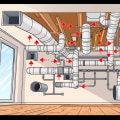
Understanding the intricacies of ductwork design is essential for anyone involved in HVAC systems, whether you are a homeowner, a contractor, or an HVAC technician. The efficiency of your heating and cooling systems largely depends on how well the ductwork is designed and installed. One of the fundamental principles that guide this design is the two-foot rule , a guideline that emphasizes the importance of maintaining adequate separation between duct components to ensure optimal airflow and system performance.The two-foot rule serves as a critical benchmark in preventing issues such as turbulence and pressure drops within the duct system. When ducts are too close together or improperly aligned, it can lead to areas of low static pressure, which not only hampers airflow but can also contribute to increased energy consumption.
This inefficiency can result in higher utility bills and may necessitate frequent duct cleaning services near me to address the buildup of dust and debris that can accumulate in poorly designed systems.Moreover, adhering to the two-foot rule is not just about maintaining airflow; it also plays a significant role in enhancing the overall lifespan of your HVAC system. By ensuring that ducts are properly spaced and aligned, you reduce wear and tear on the system, which can lead to fewer repairs and a longer operational life. As we delve deeper into this topic, we will explore how the two-foot rule impacts not only the design phase but also ongoing maintenance practices, including when to seek duct cleaning services near me for optimal performance.
What is the Two-Foot Rule?
The two-foot rule is a fundamental guideline in the realm of HVAC design, particularly concerning ductwork installation. This rule stipulates that any changes in direction or size of ductwork should occur at least two feet away from any other fittings or transitions. is a fundamental guideline in the realm of HVAC design, particularly concerning ductwork installation. This rule stipulates that any changes in direction or size of ductwork should occur at least two feet away from any other fittings or transitions.The origins of this rule can be traced back to the Air Conditioning Contractors of America (ACCA), which developed standards to optimize airflow and enhance system efficiency.Understanding the significance of the two-foot rule is essential for anyone involved in HVAC design or installation. By adhering to this guideline, professionals can ensure that air travels smoothly through the duct system, minimizing turbulence and maintaining consistent airflow. When ducts are improperly connected or too close to other fittings, it can lead to areas of low static pressure, which can severely impact the overall performance of the HVAC system.Moreover, the two-foot rule plays a critical role in preventing common issues associated with ductwork, such as:
- Increased energy consumption: When airflow is obstructed due to poor duct design, HVAC systems must work harder to maintain desired temperatures, leading to higher energy bills.
- Uneven heating and cooling: Inadequate airflow can result in hot or cold spots within a building, making it uncomfortable for occupants.
- Noise issues: Turbulent airflow can create unwanted noise as air rushes through tight spaces or around corners.
For those seeking duct cleaning services near me, understanding these principles can also aid in recognizing when professional intervention is necessary to maintain system efficiency.
The Importance of Proper Ductwork Design
Proper ductwork design is a fundamental aspect of any HVAC system, significantly influencing its overall performance and efficiency. When ducts are designed with precision, they facilitate optimal airflow, which is essential for maintaining comfortable indoor temperatures and ensuring that heating and cooling systems operate effectively.One of the primary benefits of well-designed ductwork is energy efficiency. When air can flow freely through the ducts without unnecessary bends or obstructions, the HVAC system does not have to work as hard to maintain the desired temperature. This reduction in workload translates to lower energy consumption, which can lead to substantial savings on utility bills over time.In fact, studies have shown that homes with properly designed duct systems can experience energy savings of up to 30% compared to those with poorly designed systems.In addition to energy savings, proper ductwork design also plays a crucial role in enhancing indoor air quality. Ducts that are too small or improperly sealed can lead to stagnant air pockets where dust, allergens, and other pollutants accumulate. This not only affects the air quality but can also exacerbate respiratory issues for occupants. By ensuring that ducts are adequately sized and installed correctly, homeowners can enjoy cleaner air and a healthier living environment.Moreover, efficient ductwork design contributes to reduced maintenance costs.
When ducts are designed to minimize pressure drops and ensure balanced airflow, the HVAC system experiences less strain. This reduced strain leads to fewer breakdowns and a longer lifespan for the equipment. Regular maintenance becomes less frequent and less costly when the system operates smoothly without the added stress of poor duct design.In summary, investing in proper ductwork design is not just about compliance with industry standards; it is about creating a comfortable, efficient, and healthy living space. Homeowners should prioritize this aspect when considering duct cleaning services near me, as a well-maintained duct system will yield long-term benefits that far outweigh initial costs.
How the Two-Foot Rule Affects Airflow Efficiency
Understanding the mechanics of airflow within duct systems is essential for optimizing HVAC performance.The two-foot rule plays a pivotal role in maintaining airflow efficiency by minimizing pressure loss and ensuring that air travels smoothly through the ducts.When ducts are installed, their layout significantly impacts the overall system performance. If ducts are too close together or improperly aligned, it can lead to areas of low static pressure, which in turn affects airflow. This is where the two-foot rule comes into play. By ensuring that ducts maintain a minimum distance of two feet from each other, we can reduce turbulence and allow for a more streamlined flow of air.Pressure loss in ducts occurs due to friction and turbulence as air moves through the system.
When ducts are positioned too closely, the air can become constricted, leading to increased resistance and decreased efficiency. This not only affects the heating and cooling capabilities of the system but can also lead to higher energy costs as the HVAC unit works harder to push air through the compromised ductwork.Moreover, adhering to the two-foot rule helps in maintaining consistent static pressure throughout the duct system. Static pressure is crucial for ensuring that air is evenly distributed across all rooms in a building. If static pressure drops due to poor duct layout, some areas may receive insufficient airflow while others may be over-ventilated, leading to discomfort and inefficiency.To illustrate this further, consider a scenario where two ducts are installed less than two feet apart.
The proximity can create a bottleneck effect, causing air to swirl and lose velocity as it navigates around the obstruction. This not only hampers airflow but can also lead to increased wear and tear on HVAC components due to the added strain of compensating for lost efficiency.In conclusion, following the two-foot rule is not merely a guideline; it is a fundamental principle that enhances airflow efficiency, reduces duct pressure loss, and maintains optimal static pressure levels within HVAC systems. For homeowners seeking duct cleaning services near me, understanding these principles can help in making informed decisions about their HVAC maintenance and upgrades.
Common Mistakes in Ductwork Design Related to the Two-Foot Rule
When it comes to ductwork design, adhering to the two-foot rule is essential for maintaining system efficiency and ensuring proper airflow. However, many HVAC professionals and contractors make common mistakes that violate this critical guideline.Understanding these errors can help homeowners and businesses avoid costly repairs and inefficient systems.
1.Inadequate Separation Between Ducts
One of the most prevalent mistakes is failing to maintain the required two-foot separation between ducts. This often occurs in tight spaces where installers may prioritize fitting ducts over following best practices. When ducts are placed too close together, it can lead to:
- Increased static pressure: Airflow becomes restricted, causing the system to work harder and consume more energy.
- Noise issues: Close proximity can amplify sound transmission between ducts, leading to a noisy environment.
- Reduced efficiency: The overall performance of the HVAC system diminishes, resulting in uneven heating or cooling.
2.Improper Duct Sizing
Another common error is using incorrect duct sizes that do not comply with the two-foot rule. Ducts that are too small can create bottlenecks, while oversized ducts can lead to insufficient airflow.
Both scenarios can cause:
- Increased energy costs: An improperly sized duct system forces the HVAC unit to work harder, leading to higher utility bills.
- Frequent breakdowns: Overworking the system can result in premature wear and tear on components.
3.Neglecting Duct Insulation
Insufficient insulation between ducts that are not properly spaced can also violate the two-foot rule. Without adequate insulation, temperature fluctuations occur, which can lead to:
- Condensation issues: Moisture buildup can promote mold growth within the ducts.
- Energy loss: Uninsulated or poorly insulated ducts allow conditioned air to escape, reducing overall efficiency.
4.Poorly Designed Duct Layouts
A poorly planned duct layout that disregards the two-foot rule can create unnecessary bends and turns. This not only complicates airflow but also increases resistance within the system. Consequences include:
- Inefficient airflow: Air struggles to move through the system, leading to hot or cold spots in different areas of a building.
- Higher maintenance needs: Increased strain on the system results in more frequent repairs and maintenance calls.
By prioritizing proper duct design and installation practices, homeowners can enjoy improved comfort and lower energy costs while minimizing the need for duct cleaning services near me.
Integrating Duct Cleaning Services with Efficient Duct Design
Efficient duct design is only one part of the equation when it comes to maintaining a healthy and effective HVAC system. Regular duct cleaning services near me play a vital role in ensuring that the benefits of a well-designed duct system are fully realized. Over time, dust, debris, and other contaminants can accumulate within the ductwork, leading to reduced airflow and increased energy consumption. This is where the integration of duct cleaning services becomes essential.One of the primary benefits of regular duct cleaning is improved indoor air quality.When ducts are clean, the air that circulates through your home or business is free from pollutants that can trigger allergies or respiratory issues. This is particularly important for individuals with pre-existing health conditions, as clean air can significantly enhance their quality of life.Moreover, maintaining clean ducts contributes to the longevity of your HVAC system. When airflow is obstructed by dirt and debris, the system has to work harder to maintain desired temperatures. This increased strain can lead to premature wear and tear on components, resulting in costly repairs or even complete system failure.
By investing in duct cleaning services, you not only enhance performance but also extend the lifespan of your equipment.In addition to these benefits, regular duct cleaning can improve energy efficiency. A clean duct system allows for optimal airflow, which means your HVAC unit doesn’t have to operate at maximum capacity to achieve the desired temperature. This efficiency translates into lower energy bills and a reduced carbon footprint, making it an environmentally friendly choice.To maximize the advantages of both efficient duct design and regular cleaning, homeowners should consider scheduling professional duct cleaning at least once every three to five years, depending on usage and environmental factors. When searching for duct cleaning services near me, it’s crucial to choose a reputable provider that uses advanced techniques and equipment to ensure thorough cleaning.In conclusion, integrating duct cleaning services with efficient duct design is essential for maintaining optimal airflow, enhancing indoor air quality, and prolonging the life of your HVAC system.
By prioritizing both aspects, you can create a comfortable and healthy living environment while also saving on energy costs.
FAQs About the Two-Foot Rule and Ductwork Design
Understanding the two-foot rule in ductwork design can raise several questions, especially for homeowners and HVAC professionals. Below are some frequently asked questions that clarify this essential aspect of ductwork installation.What is the two-foot rule in ductwork design?
The two-foot rule refers to the guideline that requires a minimum distance of two feet between ductwork connections and any obstacles or changes in direction. This separation helps maintain optimal airflow and reduces the risk of creating areas with low static pressure, which can lead to inefficiencies in heating and cooling systems.Why is the two-foot rule important?
Adhering to the two-foot rule is crucial for several reasons:- Improved Airflow: Maintaining this distance allows for smoother transitions in airflow, reducing turbulence and enhancing system efficiency.
- Reduced Noise: Proper spacing can minimize noise generated by air movement through the ducts, leading to a quieter indoor environment.
- Lower Energy Costs: Efficient airflow translates to less energy consumption, which can significantly lower utility bills over time.
What happens if the two-foot rule is not followed?
If the two-foot rule is ignored, several issues may arise:- Increased Pressure Drops: Ducts that are too close to obstacles can create pressure drops, leading to inefficient system performance.
- Hot or Cold Spots: Poor airflow distribution can result in uneven heating or cooling throughout your home.
- Higher Maintenance Needs: Systems that operate inefficiently may require more frequent repairs and maintenance, increasing overall costs.
How can I ensure my ductwork follows the two-foot rule?
The best way to ensure compliance with the two-foot rule is to work with qualified duct cleaning services near me or HVAC professionals who understand these guidelines. They can assess your current ductwork layout and make necessary adjustments during installation or maintenance.By addressing these common questions, homeowners and professionals alike can better appreciate the significance of the two-foot rule in achieving efficient ductwork design.Understanding these principles not only enhances system performance but also contributes to a more comfortable living environment.
Conclusion: The Role of the Two-Foot Rule in Efficient HVAC Systems
In conclusion, the two-foot rule is not merely a guideline but a fundamental principle that underpins the efficiency and effectiveness of HVAC systems. By ensuring that ductwork maintains a minimum separation of two feet from other structural elements, we can significantly reduce the risk of airflow obstructions and pressure drops. This practice not only enhances the overall performance of heating and cooling systems but also contributes to improved indoor air quality.Adhering to this rule facilitates optimal airflow, which is essential for maintaining consistent temperatures throughout a building. When ducts are properly spaced, they can operate without unnecessary strain, leading to lower energy consumption and reduced utility bills.Moreover, efficient ductwork design minimizes the likelihood of frequent repairs and maintenance, which can be costly and disruptive.Furthermore, the two-foot rule plays a critical role in the longevity of HVAC systems. By preventing issues such as condensation buildup and mold growth—common problems associated with poorly designed ductwork—homeowners can enjoy a healthier living environment. Regular duct cleaning services near me can also complement this rule by ensuring that any accumulated debris does not hinder airflow.Ultimately, understanding and implementing the two-foot rule is essential for anyone involved in HVAC design or maintenance. It serves as a reminder that attention to detail in ductwork installation can lead to significant benefits in system performance and energy efficiency.
As we move forward in an era where energy conservation is paramount, adhering to established guidelines like the two-foot rule will be crucial for achieving sustainable HVAC solutions.